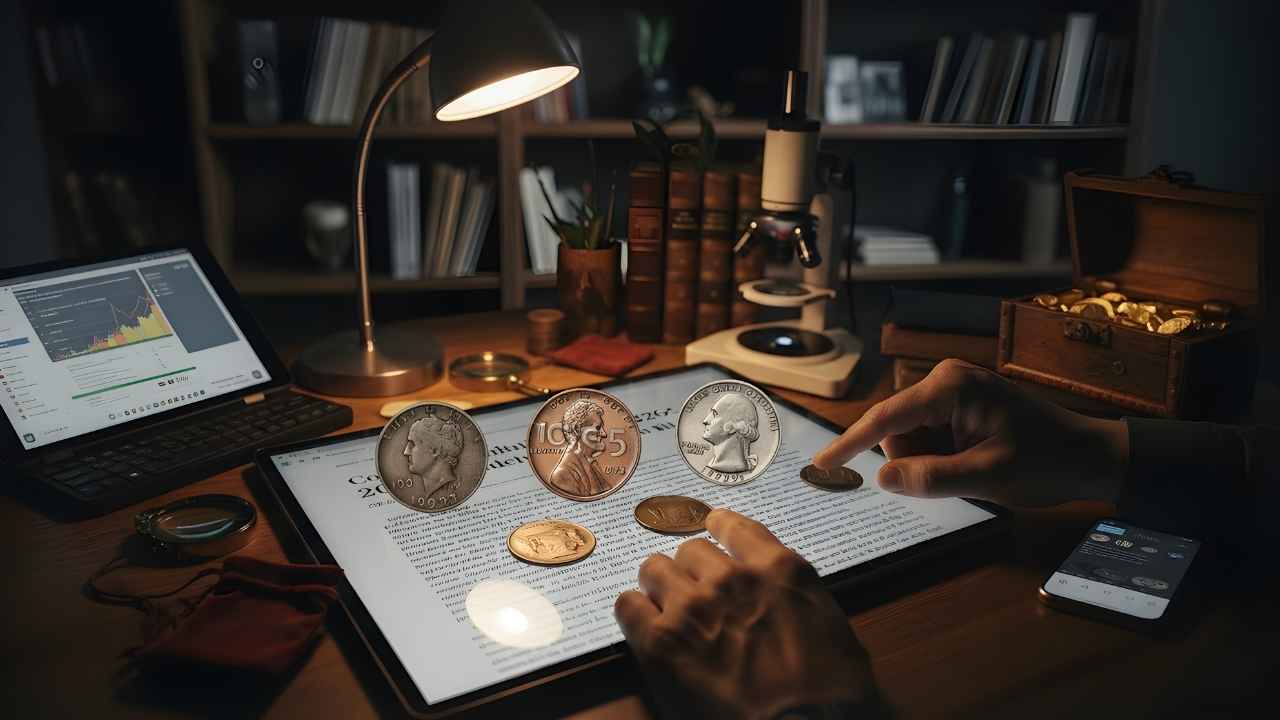
Coin collecting in 2026 continues to grow as more people discover that small pieces of metal can hold remarkable historical and financial value. While thousands of coin types exist, only a handful are considered truly rare and desirable. These coins stand out because of limited mintages, unusual production mistakes, or unique stories tied to their creation. Many were produced by the United States Mint under circumstances that unintentionally made them scarce, which is exactly what collectors seek.
1913 Liberty Head Nickel
Among the rarest coins ever made, the 1913 Liberty Head nickel holds legendary status. Only five examples are known to exist, and each one has been documented and tracked for decades. What makes it fascinating is that this coin was never officially authorized for circulation, which adds mystery to its origin. Whenever one appears at auction, it often sells for millions because collectors recognize its importance and rarity. Ownership of one is considered a pinnacle achievement in numismatics.
1943 Copper Penny
During World War II, pennies were supposed to be struck in steel to conserve copper for wartime needs. However, a few copper blanks were accidentally left in the presses and struck with the 1943 date. These accidental coins became some of the most famous error pieces in history. Even worn examples can bring six-figure prices, while well-preserved specimens may sell for far more. Their value comes not only from rarity but also from the historical context behind their creation.

1955 Doubled Die Penny
The 1955 doubled die penny is one of the most dramatic and widely recognized mint errors ever produced. The doubling is clearly visible in the date and lettering, making it easy to spot even without magnification. Because the mistake was so noticeable, many were pulled from circulation early, leaving fewer examples available today. Collectors prize this coin because it represents a striking production error that slipped through quality control and entered everyday commerce.
2004 Wisconsin Quarter Extra Leaf
Modern coins can be rare too, and the 2004 Wisconsin state quarter proves it. Some coins from this series show an extra leaf on the ear of corn on the reverse design. The added leaf was the result of a die flaw, creating two recognized varieties often called the high leaf and low leaf versions. Depending on condition and demand, these quarters can sell for hundreds or even over a thousand dollars. Because they were released into circulation, a few are still occasionally discovered in change.
Why Rare Coins Attract Strong Demand
Rare coins hold appeal for several reasons. First, they combine history and artistry in a tangible form that people can hold. Second, rarity creates competition among collectors, which naturally drives prices higher. Finally, coins are relatively easy to store and preserve compared to other collectibles. As interest in alternative investments grows, more people are turning to numismatics as both a hobby and a potential store of value.

How to Tell If You Might Have One
Finding a rare coin often comes down to careful observation. Collectors check dates, mint marks, design details, and unusual features. Using a magnifier and good lighting helps reveal small differences that might signal a valuable variety. It is also wise to compare coins with reliable reference guides or have them evaluated by professional grading services. Authentication is important because rare coins are frequently imitated.
Final Verdict
Rare U.S. coins continue to fascinate collectors in 2026 because they combine scarcity, history, and the thrill of discovery. From legendary classics like the 1913 Liberty Head nickel to modern surprises like the Wisconsin extra leaf quarter, each of these coins tells a story that extends far beyond its face value. For collectors willing to learn the details and examine their change carefully, the next great find could already be waiting in a pocket, jar, or forgotten drawer.